
Financial instruments
Since its establishment, throughout its more than 30 years of activity as a financing institution, the National Trust Ecofund has been applying various models for combined financing of environmental projects.
In the early years, when implementing the Debt for Environment Deal between Bulgaria and the Swiss Confederation, the Fund provided public grants that attracted additional public or corporate financing, which most often covered entire components of the respective projects.
In subsequent programs, the required co-financing is determined further in the negotiations with donors and in the rules for application and implementation of the projects. With lower co-financing shares, beneficiaries usually use their own funds, as was the case with the implementation of the National Green Investment Scheme, in which the requirement was only for 15% own financing. However, in programs in which the requirement is for co-financing of 25, 30, 40, 50 or more percent, beneficiaries provide these funds through loans from commercial banks or from the FLAG Fund. This is how the Climate Investment Program, the Mineral Water Investment Program, and the Energy Efficiency Subprogram for Municipal Schools and Kindergartens are being implemented.
In recent years, after the pilot implementation of the first project in support of Energy Efficiency Contracts with Guaranteed Results (ESCO), there is already an active subprogram for grant financing of up to 25% of the value of energy efficiency measures when implementing contracts with guaranteed results. The purpose of this minimum grant percentage is to ensure better market attractiveness of the respective project by reducing the investment payback period. The conditions for this subprogram can be seen here.
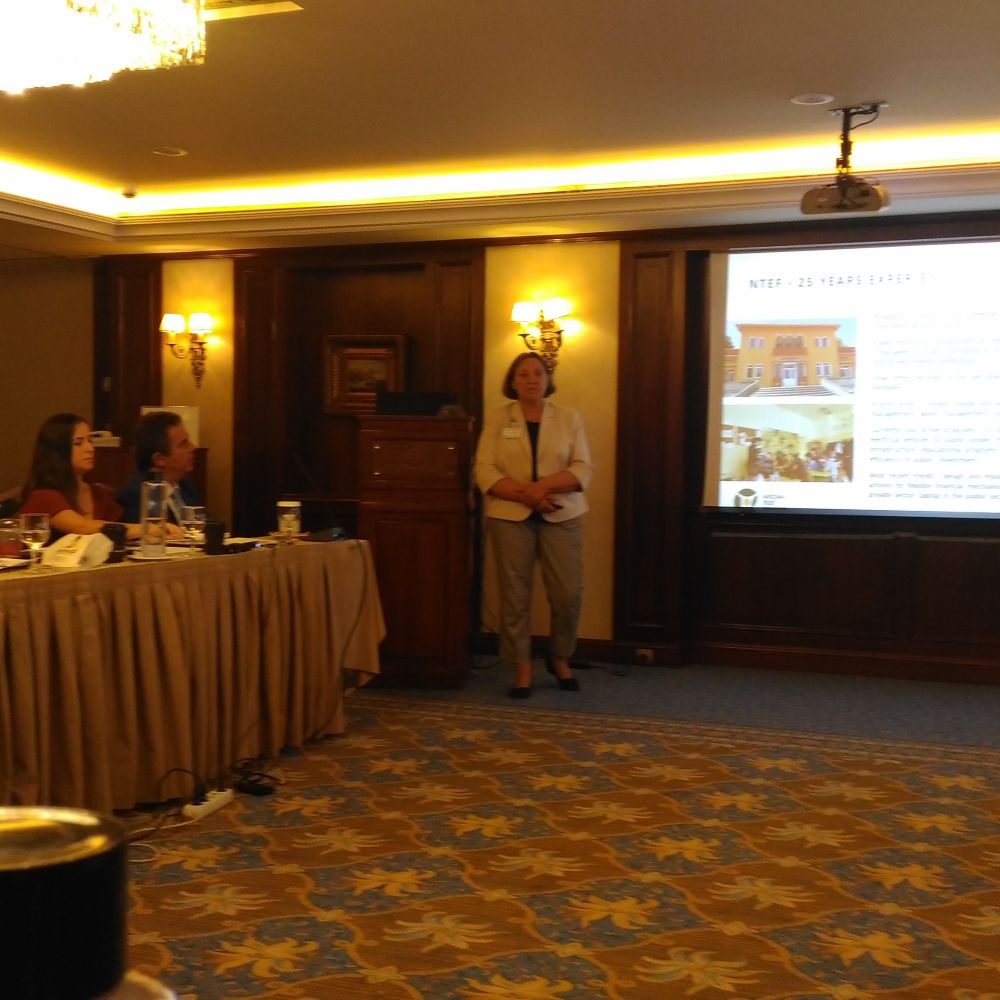
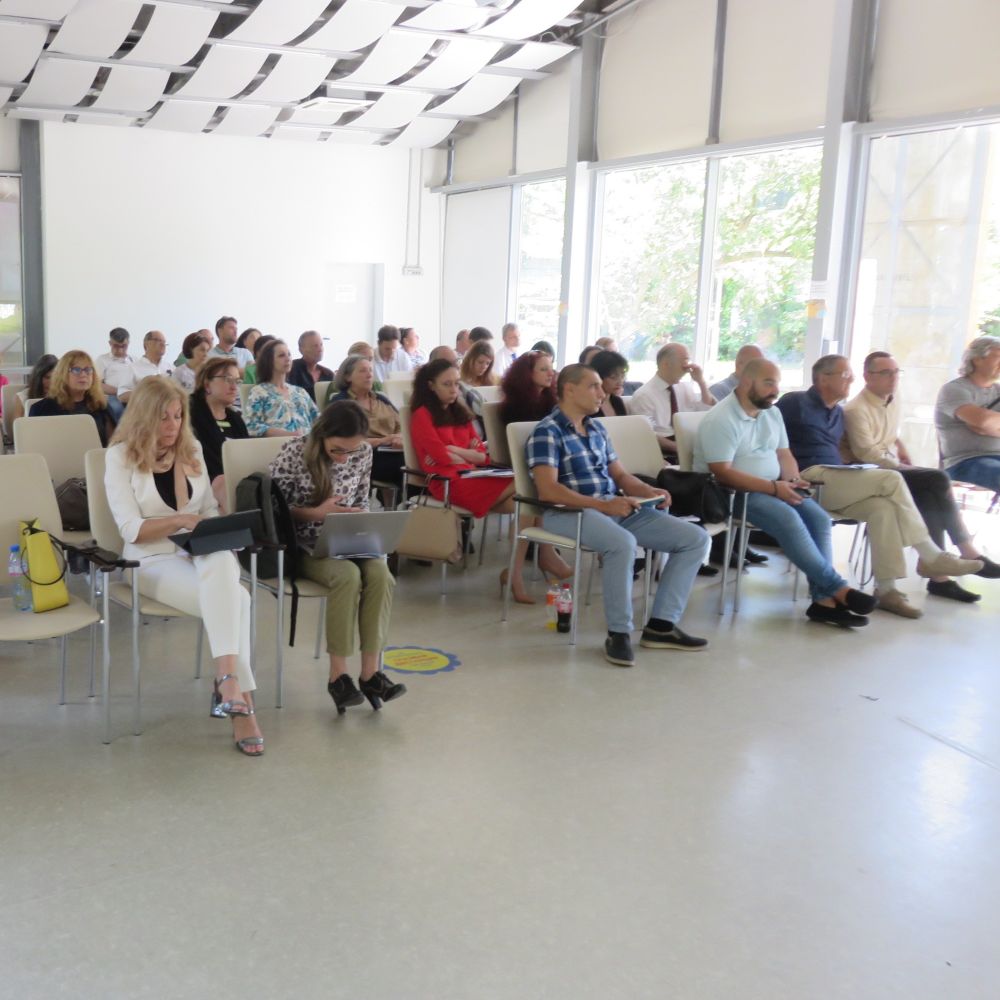
In order to establish this approach to implementing financial instruments, NTEF also participates in several international projects through which instruments are being prepared that ensure better market reliability of energy efficiency projects.
For more information:

.png)
.png)
.png)
- 4 aug 2026 - Tripple A Tools
- 4 aug 2026 - From projects to sustainable investments
- 4 aug 2026 - ICP Protocol