

Energy management in municipalities
By 2050, European cities must be carbon neutral, sustainable and provide a high quality of life. To achieve this goal, society as a whole must become more responsible and accountability must be shared among all actors. To successfully achieve the energy transition, we need mechanisms to address the environmental, economic and social aspects of the process, by analysing the policies of different sectors in partnership with civil society, and by taking into account the way citizens design their future.
Since the energy transition involves radical changes in the structure, culture and practices of energy production, consumption, storage and distribution, local authorities cannot do it alone. On the contrary, the energy transition requires the effective participation of key structures and beneficiaries alongside the administration. Therefore, ambitious goals and political commitments must be linked to the engagement of civil society in decision-making and their implementation. This interdependence reveals the challenge facing municipal energy management.
In this context, the NTEF initiative to support the improvement of energy management at the municipal level is also in place. It has been among the priorities of the NTEF in recent years and is directly related to the Fund’s role as a financing institution for municipal energy efficiency projects.
In the first years, the focus was on developing a model for municipal energy management in Bulgaria, which would serve as a basis for the design and implementation of a new instrument for financing energy efficiency projects, supporting local authorities. The NTEF partners were the Energy Efficiency Center Enefect and the Fraunhofer Institute in Stuttgart. The pilot municipalities in Bulgaria were Burgas, Pavlikeni and Lyaskovets.
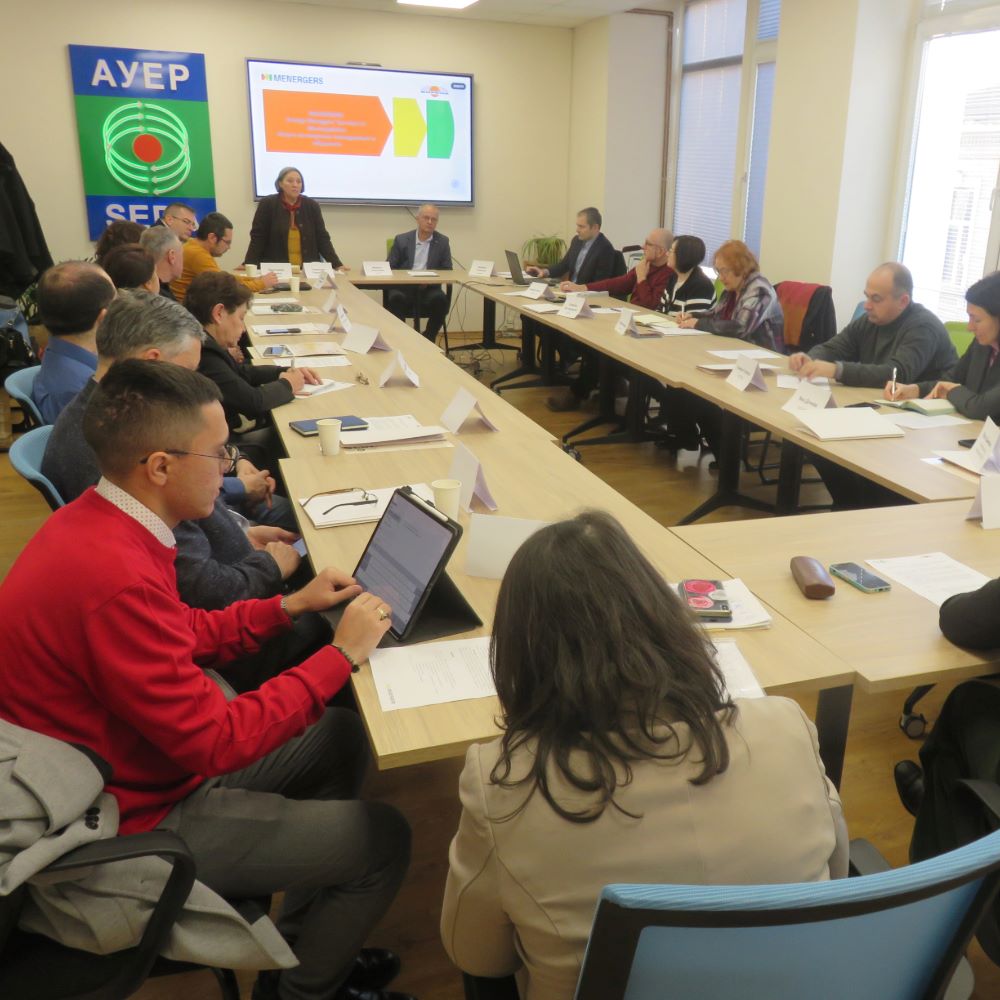
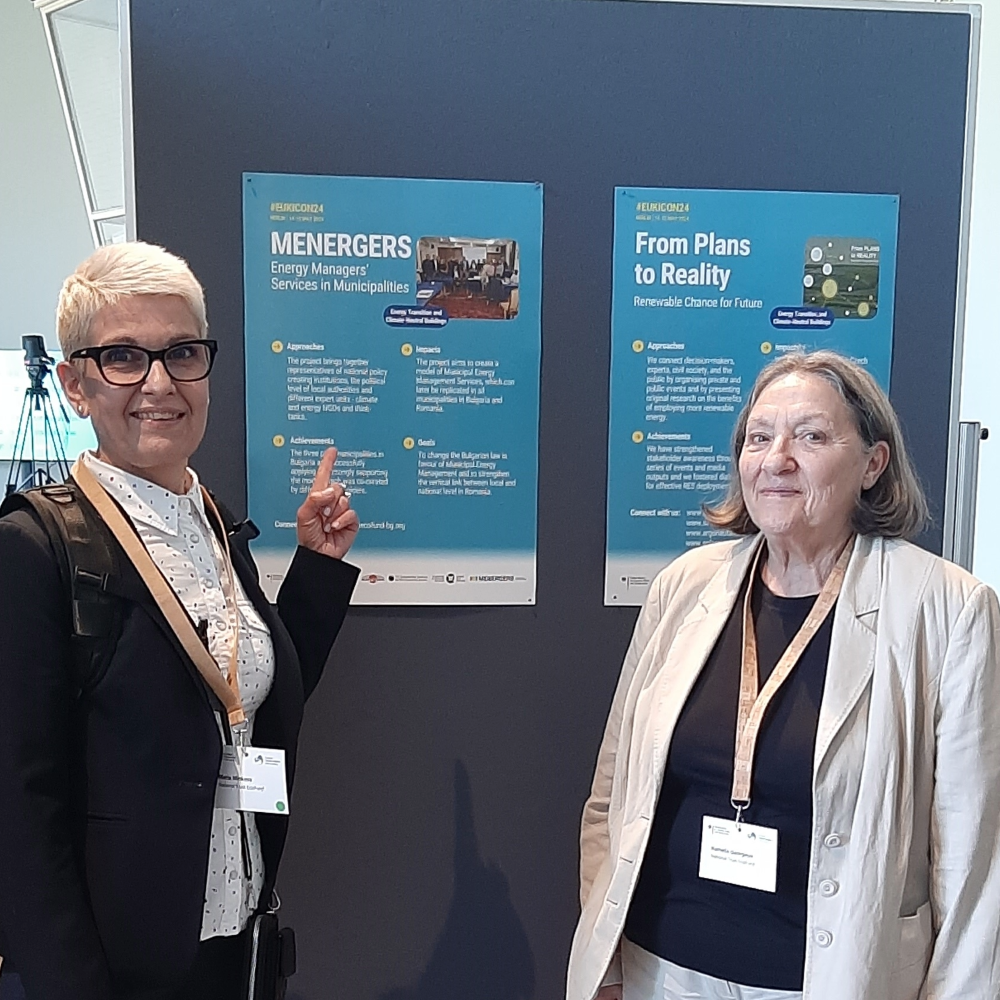
The next step was taken with the implementation of the MENERGERS project – Energy Manager Services in Municipalities. Its main goal is to enable municipalities in Bulgaria and Romania to enter in the best possible way into their role as community energy managers and thus contribute to the national energy and climate goals. Partners are the Independent Institute for the Environment in Berlin (UfU), Sofia Energy Agency SOFENA and Energy Cities Romania. Pilot municipalities in Bulgaria were Ruse, Sapareva Banya and Svilengrad.
The initiative is supported by the European Climate Initiative (EUKI) of the German Federal Ministry for Economic Affairs and Climate Protection (BMWK).
.png)
.png)
.png)
.png)
.png)

- 4 aug 2026 - Energy management systems in municipalities
- 31 jul 2026 - Experience in Germany
- 31 jul 2026 - Assessment of Romania’s experience
- 31 jul 2026 - Guidelines on Energy Efficiency Indicators
- 31 jul 2026 - Municipal Energy Manager Service Model
- 31 jul 2026 - Review of Bulgarian Legislation
- 31 jul 2026 - Experience and Good Practices in Municipalities in Germany and the EU